

The 1st International Conference on Sustainable Performance Evaluation of Documentary Institutions and Libraries SPE-DIL 2026
From Quantitative and Qualitative Measurement to Smart Assessment and Value Creation (Hybrid Event: In-person and online) University of Biskra, Algeria | 11–13 November2026
Publishing Partners
Accepted high-quality papers will be considered for publication with our esteemed partners


About the Conference
Archival institutions and libraries have historically served and continue to serve as vital centers for knowledge production and intergenerational preservation. However, in the third decade of the twenty-first century, they confront unprecedented challenges alongside promising opportunities. Their role has transcended passive preservation and storage of collections and information resources to become a strategic axis within professional governance ecosystems, ultimately contributing to the creation of intellectual and economic value for societies.
Traditional performance measurement methodologies for archival institutions and libraries, which predominantly rely on conventional quantitative and qualitative indicators, have proven insufficient to capture the genuine impact of these institutions or to ensure their operational and intellectual sustainability within the rapidly evolving environment of the Fourth Industrial Revolution, artificial intelligence advancements, and big data analytics. Consequently, all types and forms of libraries and archival institutions must transition toward more comprehensive, intelligent evaluation frameworks that prioritize sustainable outcomes, added value, and tangible impact on end-user communities. This transformation necessitates the adoption of advanced international standards and specifications, alongside intelligent analytical tools that ensure transparency, efficacy, and evidence-based decision-making in impact assessment to generate added value in performance outcomes.
Accordingly, this international conference establishes itself as a leading scientific platform for exchanging expertise and reviewing state-of-the-art methods, approaches, and international standards for the sustainable evaluation of archival institution and library performance, we invite researchers, practitioners, and experts to explore how intelligent tools can reengineer evaluation processes, thereby ensuring that our archival institutions and libraries remain engines of quality and efficiency within the global academic and information landscape.
Topics of Interest
1. Theoretical Frameworks and Contemporary Methodologies for Sustainable Evaluation in Archival Institutions and Libraries:
- Philosophical and Methodological Foundations of Quantitative and Qualitative Measurement: Strengths and Limitations.
- The Conspectus Methodology: Library Collection Evaluation and Tools for Determining Subject Depth of Holdings
- Benchmarking Methodology: Inter-Library Performance Comparison and Development Gap Assessment
- The Shift from Input/Output Measurement to Impact and Socio-Economic Outcome Assessment
- Outcome-Based Evaluation Models
- International Standards (ISO 11620, ISO 2789, etc.) as a Reference Framework for Sustainable Evaluation.
- Key Performance Indicators (KPIs) in Digital Library and Archival Environments
2. Smart Assessment: Artificial Intelligence Techniques and Tools in Performance Measurement:
- Leveraging Artificial Intelligence (AI) in User Behavior and Satisfaction Analysis (Sentiment Analysis)
- Utilizing Big Data Analytics to Build Intelligent Performance Dashboards for Decision-Making
- Webometric Tools and Alternative Metrics (Altmetrics) for Evaluating Digital Services and Platforms
- The Role of Cloud Computing, Quantum Computing, and Internet of Things (IoT) in Automated Assessment Data Collection.
- Machine Learning Applications in Predictive Assessment of User Needs
3. Institutional Governance and Quality as Mechanisms for Performance Enhancement and Measurement Development:
- The Role of Governance in Ensuring Transparency and Integrity of Institutional Performance Evaluation Processes
- Information Technology Governance Frameworks and Standards: Needs, Applications, and Challenges (COBIT, ISO/IEC 38500, COSO, ITIL)
- Application of Total Quality Management (TQM) Models and Excellence Standards in Archival Institutions and Libraries
- International Quality Measurement Standards as a Gateway to Enhancing Performance Efficiency, Service Quality, and User Satisfaction (ISO 9001, LibQUAL+)
- A Tool for Measuring User Satisfaction and Ensuring Service Quality.
- Audit Mechanisms, Academic Accreditation, and Quality Assurance in University Libraries.
- Utilizing Evaluation Results in Continuous Improvement Processes for Automated Systems Integrated with Artificial Intelligence Models.
4. Creating Intellectual and Economic Value for Archival Institutions and Libraries in the Knowledge Society:
- Measuring Return on Investment (ROI) in Information and Library Services
- The Role of Archival Institutions and Libraries as Drivers of Innovation and Entrepreneurship, and Measuring Their Impact
- Assessing Perceived Value from the End-User Perspective
- Libraries and Their Role in Achieving Sustainable Development Goals (SDGs), and Measuring This Impact
- Transforming Information into Applicable Knowledge: Indicators for Measuring Intellectual Value.
5. Capacity Building and Human Competency Requirements for Smart Assessment:
- Essential Competencies and Skills for Information Specialists and Librarians in the Artificial Intelligence Era.
- Training and Professional Development Programs Required for Mastering Big Data Analytics and Smart Assessment Tools.
- The Role of Administrative Leadership in Adopting a Continuous, Data-Driven Evaluation Culture.
- Specialized Academic Training in Library and Information Science (LIS Curricula) to Address These Transformations.
- Change Management in the Transition Toward Smart Assessment Models.
6.Case Studies, Challenges, and Future Prospects::
- Presentation of Successful International Experiences in Implementing Smart and Sustainable Assessment Standards (Best Practices).
- Ethical and Legislative Challenges in Assessment Data Collection and Analysis (Privacy and Data Protection).
- Future Scenarios for Institutional Assessment in the Era of Smart Libraries and Documentation Centers.
- Requirements for Building the Necessary Human Competencies: To Conduct Smart Assessment.
- Requirements for Building Human Competencies Necessary for Conducting Smart Assessment.
7. Documentary Heritage and Collective Memory in the Digital Age:
- Evaluating the Effectiveness of Digital Preservation Software and Systems for Documentary Heritage: A Study of PREMIS, OAIS Tools, and Data Sustainability Mechanisms.
- Measuring the Educational and Social Impact of Historical Documents in Building National Identity and Citizenship.
- Technical and Standards-Based Challenges in Archiving Born-Digital Content.
- Long-Term Digital Preservation Strategies and Assessment of Their Economic and Operational Feasibility.
- Creative Reuse of Documentary Heritage and Measuring Its Intellectual and Cultural Value.
- Archives of Marginalized and Oral Communities: Documentation and Evaluation Challenges.
- Augmented and Virtual Reality (AR/VR) in Embodying Collective Memory and Evaluating Its Communicative Effectiveness.
8.Institutional Resilience and Business Continuity Amid Crises and Transformations::
- Assessing Library and Archival Institution Readiness for Remote Work and Hybrid Learning.
- Business Continuity Planning (BCP) and Disaster Management in Archival Institutions.
- Risk Assessment of Natural and Human-Made Disasters on Digital and Physical Holdings.
- Cybersecurity and Protection of Digital Infrastructure for Libraries and Archives.
- Digital Resilience and Post-Crisis Reconstruction.
- Evaluating the Effectiveness of Early Warning Systems and Rapid Response to Digital Threats.
Conference Objectives:
Through this international conference, we aim to achieve a comprehensive set of strategic objectives serving the library and archival sectors at both theoretical and applied levels, as follows:
1. Conceptual and Methodological Frameworks
- To introduce theoretical concepts and key terminology in evaluation (measurement, standardization, indicators, benchmarks, impact) with precise analytical distinction.
- To diagnose the current state of evaluation: critical analysis of traditional methodologies (quantitative and qualitative) in assessing archival institution and library performance, identifying strengths, weaknesses, and knowledge gaps.
2.Digital Transformation and Smart Assessment
- To explore smart assessment approaches: introducing advanced tools and techniques based on Artificial Intelligence, Big Data Analytics, and Data Science in reengineering evaluation processes.
- To assess workforce readiness: measuring the preparedness of information specialists and librarians to adopt contemporary methods and new standards for smart evaluation
3. Governance and International Standards
- To analyze accredited international standards (ISO 11620, ISO 2789, ISO 9001, LibQUAL+) and mechanisms for adapting them to smart assessment requirements and the evolving digital environment.
- To examine institutional governance frameworks (COBIT, ISO/IEC 38500, ITIL) and their role in ensuring transparency and integrity of evaluation processes.
4. Value Creation and Societal Impact
- To build and develop sustainable Key Performance Indicators (KPIs) and Impact Indicators focusing on measuring outcomes and the economic and intellectual value added by archival institutions and libraries.
- To measure Return on Investment (ROI) and the role of institutions in achieving Sustainable Development Goals (SDGs).
5. Human and Organizational Capacity Building
- To identify new competencies and skills required for information specialists in the Artificial Intelligence era, and to develop roadmaps for academic training and continuous professional development.
- To manage organizational change: strategies for building a continuous, evidence-based evaluation culture.
6. Documentary Heritage and Digital Preservation
- To evaluate the effectiveness of Digital Preservation Software and Systems for documentary heritage within the UNESCO Memory of the World program.
- To explore technical challenges in archiving Born-Digital Content and strategies for ensuring its long-term sustainability.
7. Institutional Resilience and Crisis Management
- To build institutional capacities for resilience and Business Continuity Planning (BCP) amid crises and sudden transformations.
- To assess organizational readiness for remote work and hybrid learning, while developing cybersecurity strategies and protection of digital infrastructure.
8. Recommendations and Future Prospects
- To exchange experiences and international Best Practices in implementing smart and sustainable evaluation models.
- To produce strategic recommendations and a scientific, practical roadmap for decision-makers to ensure operational efficiency and sustainable quality for archival institutions and libraries in the changing global landscape.
Expected Outcomes from the Symposium:
Academic, Institutional, and Societal Impact
1. Academic and Methodological Outcomes
- Development of Sustainable and Innovative Evaluation Frameworks: Producing new models and metrics that transcend traditional (quantitative) statistics, integrating qualitative and intelligent indicators for measuring long-term sustainable performance of archival institutions and libraries, while accounting for the evolving digital environment.
- Establishment of New Standards for Smart Assessment: Identifying a set of Key Performance Indicators (KPIs) for utilizing Artificial Intelligence and Big Data Analytics tools in evaluation processes, with ethical and legal safeguards for privacy and data security issues.
- Production of Advanced Research Literature: Publishing a collection of peer-reviewed research papers in internationally indexed journals contributing to academic knowledge enrichment on smart and sustainable evaluation, thereby enhancing the research function of participating universities and institutions.
- Development of Integrated Methodologies for Digital Preservation: Constructing practical frameworks for archiving Born-Digital Content and ensuring its long-term sustainability according to PREMIS and OAIS standards.
- Establishment of Institutional Resilience Models: Developing scientific frameworks for Business Continuity Planning (BCP) and crisis management in archival institutions and libraries, with strategies for Digital Resilience and post-crisis reconstruction.
2. Practical and Institutional Outcomes
- Adoption of Intelligent Tools and Solutions: Encouraging participating institutions to adopt Artificial Intelligence and Machine Learning tools in internal evaluation processes, such as predictive analytics for understanding and anticipating user needs, and intelligent Dashboards for decision-making.
- Improvement of Institutional Service Quality: Utilizing smart assessment outputs in Evidence-Based Decisions to enhance delivered services, increase internal operational efficiency, and ensure compliance with international standards.
- Re-engagement of Diverse User Communities and Enhancement of Satisfaction: Developing strategies to regain diverse library user segments and raise their satisfaction indicators regarding performance and services, through deeper understanding of behaviors and expectations (User Experience Analytics).
- Creation of International Collaboration Networks: Building sustainable scientific and professional partnerships among experts, academics, and practitioners from various countries, through digital platforms for knowledge exchange and Best Practices in smart assessment.
- Development of Human Capacities: Designing specialized training and professional development programs to build competencies for information specialists in the Artificial Intelligence era, with updated roadmaps for Library and Information Science (LIS) Curricula.
3. Economic, Social, and Cultural Outcomes
- Development of Impact and Value Measurement Methodologies: Creating effective and rigorous methods for measuring "Perceived Value" and "Socio-Economic Impact" of libraries and archival institutions, rather than abstract usage measurement, including Return on Investment (ROI) assessment..
- Enhanced Clarity of Developmental Role: Highlighting the pivotal role of libraries and archival institutions in achieving Sustainable Development Goals (SDGs) at local and international levels, thereby strengthening their position as effective partners in the knowledge society and ensuring sustainable funding..
- Enhancement of Intellectual Value Creation: Developing indicators for measuring the role of archival institutions as drivers of innovation and entrepreneurship, and transforming information into Applicable Knowledge.
- Protection of Collective Memory: Developing effective strategies for preserving documentary and intangible heritage using Augmented and Virtual Reality (AR/VR) technologies, while ensuring its sustainability for future generations.
- Strategic Policy Recommendations: Producing recommendations directed at decision-makers and policymakers to support evidence-based evaluation, ensure adequate funding for archival institutions based on proven value delivered, with a roadmap for implementation.
Important Dates
- 📅 Submission Deadline : May 30th, 2026
- 📢 Acceptance Notification : July 30th, 2026
- 🎬 Camera ready : August 15th, 2026
- 📝 Registration : TBA
- 🎓 Conference : November 11 to 13, 2026
Guidelines for Participants (SPE-DIL 2026)
Participation Modes: In-person and Virtual
• Presentation Timing: Each full paper is allocated a total of 15 minutes: 12 minutes for the formal presentation followed by 3 minutes for Q&A. Session chairs will strictly enforce timing to ensure the schedule is maintained.
• Submission of Presentation Materials: Presenters are required to submit their PowerPoint files in advance to facilitate seamless integration into the conference infrastructure. Please email your slides, clearly stating your full name, conference title, and specific track. It is highly recommended to maintain a personal backup copy during the event.
• Q&A Sessions: Each session concludes with a 15-minute moderated discussion. Due to time constraints, only a limited number of inquiries will be addressed. Virtual participants must submit their questions via the "Chat" function during the presentation to be prioritized by the moderator.
• Intermissions: Given the hybrid nature of the conference, a 20-minute transition break is scheduled between sessions to synchronize physical and virtual platforms.
• Virtual Participation Policy: Online participation is exclusively reserved for international delegates residing outside the host country.
• Punctuality: Attendees must join all sessions—particularly their designated slots—at the scheduled time to ensure synchronization between on-site and remote components.
• Identification (Virtual Attendees): Participants joining via Google Meet must use their full legal name and institutional affiliation as their display name for authentication purposes.
• Media Recording: Please be advised that screenshots and video recordings of sessions may be captured for archival, promotional, and marketing purposes across internal and external conference platforms.
• Code of Conduct: Organizers reserve the right to summarily dismiss any participant engaging in inappropriate online behavior. Such exclusion will result in the forfeiture of registration fees and participation rights.
• Certification: Formal certificates will be issued following the conclusion of all conference proceedings. Virtual participants will receive high-resolution scanned copies via their registered email.
• Copyright and Academic Integrity: Presenters bear absolute ethical responsibility for the rigorous citation of all sources in both oral presentations and final manuscripts. To ensure inclusion in the final proceedings or a Special Issue, authors of selected high-quality papers are required to strictly follow the editorial mandates and technical formatting of: Performance Measurement and Metrics (PMM) Journal Published by Emerald
• Publishing limited | Indexed in Scopus & Web of Science Publication is contingent upon the formal transfer of copyright; thus, once accepted, the work will be exclusively published by the designated house and cannot be reproduced elsewhere without express written consent from the publisher.".
Committees
Honorary Chairs
- Pr. Dibi Zohir (University of Biskra, Algeria)
- Pr. Nacereddine Djaber (University of Biskra, Algeria)
Conference Chairs:
- Dr. Hayet torchi (University of Biskra, Algeria)
- Pr. Salim Bitam (University of Biskra, Algeria)
TPC Chairs :
- Dr. Hayet torchi (University of Biskra, Algeria)
- Pr. Mohamed Abdelhadi (Abu al-Qasim Saadallah University, Algeria 2)
- Dr. Kamel Messaoudi (University of Biskra, Algeria)
TPC Members :
- Pr. Souad Benguega (University of Biskra, Algeria)
- Pr. Basma Makhlouf Shabou (Geneva School of Busi Admi, Switzerland)
- Pr. Arab Abdul Hamid (University Algeria 2)
- Pr. Sherif Shaheen (Cairo University, Egypt)
- Pr. Nabhan Al-Harrasi (Sultan Qaboos University, Oman)
- Pr. Abdel Latif Khairi (Al-Mustansiriya University - Iraq)
- Pr. Mohammed Ali Al-Saqri (Sultan Qaboos University, Oman)
- Pr. Samir Jazairi (University, Algeria 2)
- Pr. Laamrous Amal (University, Algeria 2)
- Pr. Kamal Battouch (University Constantine 2, Algeria)
- Pr. Nadjia Gamouh (University Constantine 2, Algeria)
- Pr. Nadhir Ghanem (University Constantine 2, Algeria)
- Pr. Souad bouanaka (University Constantine 2, Algeria)
- Pr. Badi Souham (University Constantine 2, Algeria)
- Pr. Sarah Titila (University of Biskra, Algeria)
- Pr. Said Bouafia (University of Biskra, Algeria)
- Pr. Meftah Mohammad Diyab (University of Tripoli, Libya)
- Pr. Hanan Bezan (Libyan Academy of Humanities - Libya)
- Pr. Kholoud Al-Fleet (Islamic University - Gaza - Palestine)
- Pr. Kaltoum Messaoudi (University of Biskra, Algeria)
- Pr. Samah Alia (University of Biskra, Algeria)
- Pr. Guesmi chawki (University of Biskra, Algeria)
- Pr.Amel alamrouss (University, Algeria 2)
- Pr. Yassmina Maarouf (University of Algeria 2)
- Pr. Amina Bahloul (University Annaba, Algeria)
- Pr. Ain Hdjer Zouhir (University of Annaba, Algeria)
- Pr. Bouchareb Bouloudhani Lazhar (University of Annaba, Algeria)
- Pr. Fares Chacha (University of Setif, Algeria)
- Pr. Bizan Meziane (University of Tamanrasset, Algeria)
- Pr. Habiba Achouri (University of Guelma, Algeria)
- Pr. Bachouia Salem (University of 8 May 1945, Guelma, Algeria)
- Pr. Khalida Hanaa Sidhem (University of Batna 1, Algeria)
- Pr. Yahiaoui Rachid (University of Batna 1, Algeria)
- Pr. Ben Tayeb Zineb (University of Batna 1, Algeria)
- Dr. Souad benchaira (University of Constantine2, Algeria)
- Pr. Salem Bashouia (University of Guelma, Algeria)
- Pr. Salima Saidi (Abdelhamid Mehri University Constantine 2, Algeria)
- Dr. Ibrahim Bounhas (University of Manouba, HID,Tunis)
- Dr. Besma Bsir (University of Manouba, HID,Tunis)
- Dr. Nadjet Benharira (University of Biskra, Algeria)
- Dr. Kamel Caid (University of Biskra, Algeria)
- Dr. Abdelhamid Sridi (University of Biskra, Algeria)
- Dr. Emna Madani (University of Manouba, HID,Tunis)
- Dr. Kaouther Azzouz (University of Manouba, HID,Tunis)
- Dr. Bahia Arar (University, Algeria 2)
- Dr. Louisa Ferroukhi (University of Algeria 2)
- Dr. Meriem Fatima Zahra (University of Algeria 2)
- Dr.Intessar Dalhoum (University of Constantine 2, Algeria)
- Dr. Foughalia Sabrina (University of Constantine 2, Algeria)
- Dr. Kachar Sabrina (University of Constantine 2, Algeria)
- Dr. Benzaid abderrahmane (University of Guelma, Algeria)
- Dr. Aida Al-Shabi (University of Manouba, HID,Tunis)
- Dr. Shiraz Al-Kilani (University of Manouba, HID,Tunis)
- Dr. Meriem Latabi (University of Algiers 2)
- Dr. Noura Amrar(University of Algiers 2)
- Dr. Mohamed Boukacem (University, Algiers 2)
- Dr. Noureddine Kouali (University of Algiers 2)
- Dr. Guechairi Samira (University of Algiers 2)
- Dr. Ben Bouzid Hadjira (University of Algiers 2)
- Dr. Lamia Ouahmed (University of Algiers 2)
- Dr. Issa Fawzia (University of Algiers 2)
- Dr. Wardia Hassina (University of Algiers 2)
- Dr. Ben Bouzid Hadjira (University of Algiers 2)
- Dr. Lamia Ouahmed (University of Algiers 2)
- Dr. Issa Fawzia (University of Algiers 2)
- Dr. Wardia Hassina (University of Algiers 2)
- Dr. Bader Edin Atia (University of Barika, Algeria)
- Dr. Naima bedifallh (University of Guelma, Algeria)
- Dr. Boukhari Om Hani (University of El Tarf, Algeria)
Organizing committee chair :
- Mme. Marghad Bachireddine (University of Biskra, Algeria)
- Dr. Mourad Sahli (University of Biskra, Algeria)
Organizing Committee Members :
- Pr. Samia Djeffal (University of Biskra, Algeria)
- Pr. Daoud Djefafla (University of Biskra, Algeria)
- Pr. Nabil Lahmer (University of Biskra, Algeria)
- Pr. Sonia Gourari (University of Biskra, Algeria)
- Pr. Hicham Abada (University of Biskra, Algeria)
- Dr. Abderrahmane Hasni (University of Biskra, Algeria)
- Dr. Sonia Hoggas (University of Biskra, Algeria)
- Dr. Ahmed Amine Fourar (University of Biskra, Algeria)
- Dr. Moustafa Amroune (University of Biskra, Algeria)
- Dr. Salah Daiah (University of Biskra, Algeria)
- Dr. Salima Chiguer (University of Biskra, Algeria)
- Dr. Amel Rahmani (University of Biskra, Algeria)
- Dr. Karima Assassi (University of Biskra, Algeria)
- Dr. Mohamed taha Fraidja (University of Setif, Algeria)
- Dr. Nahla Hafidi (University of Setif, Algeria)
- Dr. Nahla Hafidi (University of Setif, Algeria)
- Dr. Raiss Adelouahab (University of Biskra, Algeria)
- Dr. Belkacem Boudiba (University of Biskra, Algeria)
- Dr. Mokhtar Houchat (University of Biskra, Algeria)
- Dr. Raiss chaima (University of Biskra, Algeria)
- Dr. Chahinez Hachana (University of Biskra, Algeria)
- Dr.Khouloud zmiri (University of Biskra, Algeria)
- Dr. Abdelbasset Menacer (University of Biskra, Algeria)
- Dr. Mourad kabil (University of Biskra, Algeria)
- Mme. Noure Elddine Daikhan (University of Biskra, Algeria)
- Mme. Brahim Ghachi (University of Biskra, Algeria)
- Dr.Imad Eddine Laadjal (University of Biskra, Algeria) إضافة
- Dr. Aderrezak Barkat (University of Biskra, Algeria)
Conference Speakers:
Meet our distinguished speakers
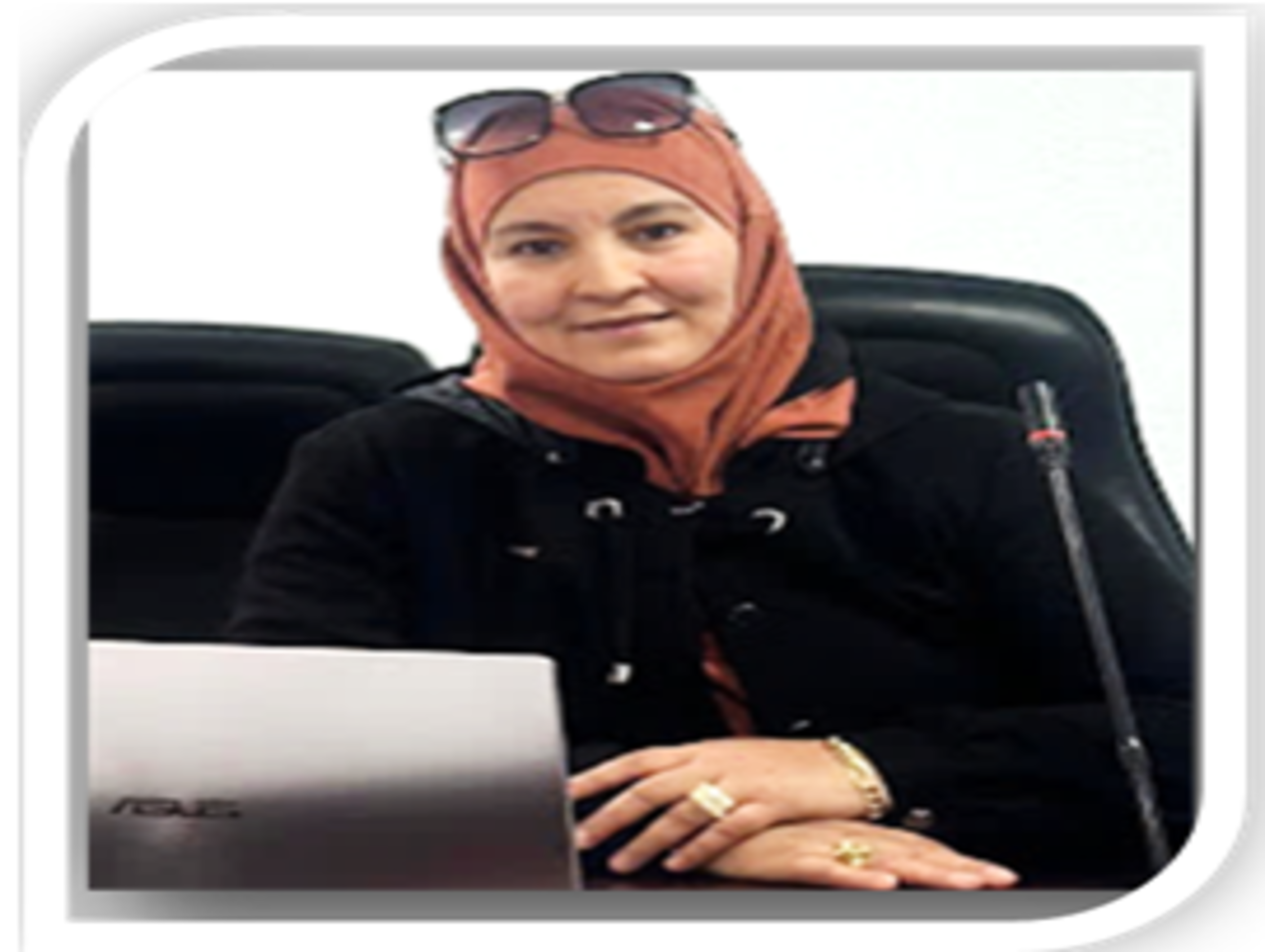
Dr. Hayet Torchi
Professor of Library & Information Science – University of Biskra
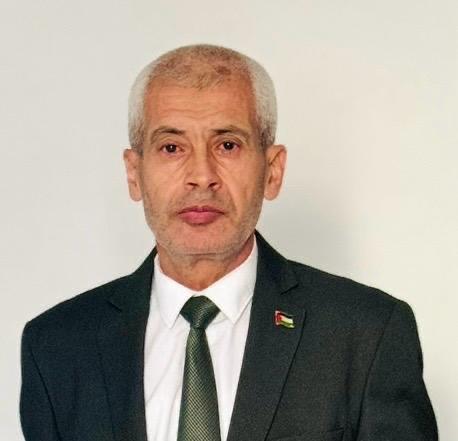
Pr. Mohamed Abdelhadi
Abu al-Qasim Saadallah University, Algeria 2

Pr. Basma Makhlouf Shabou
Geneva School of Business Administration, Switzerland

Pr. Sherif Kamel Shaheen
Cairo University, Egypt
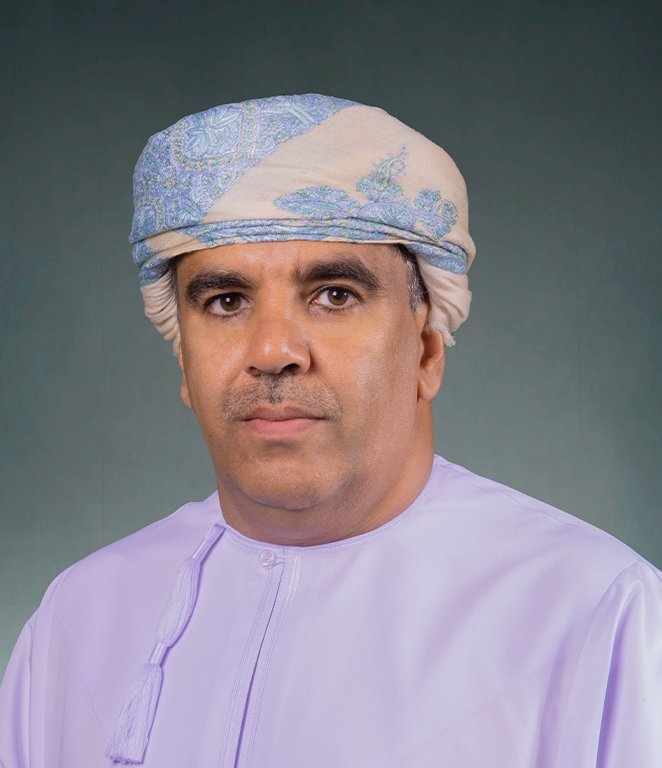
Dr. Nabhan Al Harrasi
Sultan Qaboos University, Oman

Dr. Aïda Chebbi
University of Manouba, HID,Tunis
Pr. Talal Nadhum Azzuhairi
Mustansiriyah University, Iraq
Submission & Publication Guidelines
1. Scope of Submissions
The conference invites original, unpublished research papers focusing on sustainable performance evaluation and smart assessment in documentary institutions and libraries. Topics of interest include, but are not limited to:
- Theoretical Frameworks: Contemporary methodologies for sustainable evaluation in archival institutions and libraries.
- Smart Assessment: Applications of Artificial Intelligence (AI) techniques and intelligent tools in performance measurement.
- Governance & Quality: Institutional governance and quality management as mechanisms for performance enhancement.
- Value Creation:Strategies for creating intellectual and economic value for documentary institutions in the knowledge society.
- Capacity Building: Human competency requirements and skills needed for implementing smart assessment frameworks.
- Heritage & Memory: Evaluating documentary heritage and collective memory preservation in the digital age.
- Institutional Resilience: Business continuity and organizational resilience amid global crises and transformations.
- Case Studies: Empirical research, international standards, and future prospects for library and archive evaluation.
2. Language and Originality
- Language: All manuscripts must be written and presented in professional English.
- Originality: Only original, unpublished works are accepted. Simultaneous submission to other venues is strictly prohibited.
- Plagiarism Policy: All papers will undergo a rigorous similarity check using international detection software. Any plagiarized content will be rejected without review.
3. Paper Formatting Requirements
- Format: Manuscripts must be submitted in Microsoft Word (.doc or .docx) format.
- Layout: Standard A4 page size with 2.5 cm margins on all sides.
- Font: Times New Roman (Title: 14 pt Bold | Body Text: 12 pt).
- Length: Full papers should not exceed 15 pages, including references, tables, and appendices.
- Referencing Style: Authors must follow a consistent international referencing system (e.g., Harvard or APA).
4. Paper Structure
To ensure a high-quality peer-review process, all manuscripts must follow a standard academic structure. The manuscript should include the following sections::
- Title:Clear, concise, and reflective of the research (14 pt, Bold, Times New Roman).
- Authors & Affiliation : Full names of all authors, their primary institutional affiliations, and the corresponding author’s email address.
- Abstract A structured summary (150–250 words) outlining the research problem, methodology, key findings, and implications. No citations should be included in the abstract.
- Keywords:4–6 relevant keywords for indexing purposes.
- IntroductionBackground of the study, research objectives, and the significance of the work.
- Literature Review / Conceptual BackgroundA critical review of related studies and the theoretical framework of the research.
- MethodologyA detailed description of the research design, data collection methods, and analytical tools used.
- Analysis, Results & DiscussionPresentation of data findings and their interpretation in the context of the research questions.
- Conclusion & RecommendationsA summary of the main contributions and practical or policy recommendations for documentary institutions and libraries.
- References: All citations must follow a consistent international referencing style (e.g., Harvard or APA).
5. Submission & Review Process
- Submission Portal: Papers must be uploaded via the official conference management system link.
- Review Type: All submissions will undergo a Double-Blind Peer Review by the International Technical Program Committee.
- Publication: High-quality accepted papers will be invited for publication in a special issue of a Scopus/Web of Science indexed journal.
6. Submission Process:
- Electronic Submission: All papers must be submitted electronically through the official conference management system link.
- Originality Check: By submitting a paper, authors confirm that the work is original and has not been published elsewhere.
- Review Notification: Authors will be notified of the review results via email within the specified deadlines.
- Participation: At least one author of each accepted paper must register and present.
- the work during the conference (In-person or Online).
7. Important Notes
- Papers exceeding 15 pages will be rejected.
- Multiple submissions by the same authors are not allowed.
- At least one author of each accepted paper must register and present the work at the conference.
Templates
Please use one of the official templates below:
Who Should Attend:
• Researchers and Academics: Those in library and information sciences, management, data analytics, artificial intelligence, and humanities will gain valuable insights and opportunities to share and enhance their research.
• Library and Documentation Professionals: Managers of libraries and documentary institutions, information specialists, and service providers will benefit from best practices and smart tools for evaluation and quality management.
• Policymakers and Government Officials: Leaders in the public sector and administrative bodies responsible for culture, education, and innovation policies will gain knowledge on evidence-based evaluation to ensure adequate funding for documentary institutions based on the value they provide.
• Doctoral Students and Emerging Researchers: Aspiring researchers will find a supportive platform for presenting ideas, networking, and learning from international experts in sustainable evaluation and modern technologies.
Review Process
Overview
All manuscripts submitted to the 1st International Conference on Sustainable Performance Evaluation of Documentary Institutions and Libraries (ICSPE-DIL-2026) will undergo a rigorous double-blind peer-review process. This ensures the highest standards of quality, academic originality, and thematic relevance.
The Reviewing Procedure: The evaluation is conducted via an anonymous system where the identities of both authors and reviewers are strictly concealed. The Organizing Committee is responsible for the preliminary anonymization of all papers to guarantee an unbiased assessment.
Guaranteed Publication Path: Upon successful completion of the review process and ful fillment of the required revisions, all accepted high-quality papers will be officially published in collaboration with international publishing houses. Final manuscripts will be directed for inclusion in the " Performance Measurement and Metrics (PMM) Journal Published by Emerald Publishing limited, ensuring global indexing and academic recognition.
Publication Opportunity Accepted high-quality research papers written in English will be invited for publication in a prestigious international journal, which is indexed in both Scopus and Web of Science (WoS), ensuring high academic visibility and impact for the selected works.
Conditions of Acceptance
- ✔Author Limit: Each manuscript may feature a maximum of three (3) authors. No additional contributors will be credited after the final submission.
- ✔Submission Languages: Initial submissions are accepted in English, However, authors must note that only papers selected for final publication in the official proceedings will be required to provide a high-quality, professional English version of their work.
- ✔Originality & Exclusivity: All submissions must represent original, unpublished work and must not be under consideration by any other venue during the review process.
- ✔Strict Volume Constraints: Manuscripts must not exceed ten (15) pages, encompassing all text, figures, and references. This limit is strictly enforced to meet the publisher's technical requirements.
- ✔Final Formatting: Please use the official Word/LaTeX templates and follow the Harvard referencing style. Details and template files are available on the journal’s website.
Review Steps
1. Initial Screening
The editorial committee will verify that the submitted paper complies with the conference guidelines, matches the conference themes and topics, and meets the required academic standards.
2. Peer Review
If the paper passes the initial screening, it will be peer-reviewed by the technical program committee members, where each paper will be reviewed by three (3) reviewers at least according to a single peer review process.
3. Evaluation Criteria
-
Reviewers will assess each submission based on the following criteria:
- The scientific quality and methodological rigor of the research.
- The contribution and significance of the work to the field of business administration and AI.
4. Decision
Acceptance decisions (accept, accept with minor/major revisions, or reject) will be made by the conference Program Committee Chairs based on reviewers’ recommendations.
5. Final Submission
- Authors of accepted papers will be required to submit a final revised version incorporating all required corrections.
- Only papers presented at the conference will be included in the official proceedings.
Logistics
Conference Venue
Biskra is a city in northeastern Algeria, known for its beautiful oases and its role as the capital of Biskra Province. Situated at the northern gateway of the Sahara Desert, it is famously called "The Queen of Zibans" due to its breathtaking palm-filled oases of the Zab region.
Historically, Biskra has been a renowned spa destination thanks to its warm subtropical climate and natural hot sulfur springs. The city has long attracted artists, writers, and intellectuals inspired by its unique landscape and cultural richness.
Travel Directions
Suggested hotels near Algiers International Airport:
From Algiers International airport to Golden Tulip Royaume Hotel HOW TO GET TO Hotel Golden Tulip Royaume- Hotel Golden Tulip Royaume Hotel
Address: Zone Beni Hamdine Lot 115c Eucalyptus, 16220 Les Eucalyptus, Algeria
Phone: +213 23 93 91 91
Local Time Zone: GMT+1
This airport-friendly hotel is located near a main road, 4 km from Algiers-Houari Boumediene Airport, and 13 km from the contemporary Great Mosque of Algiers and the beaches of the Sablettes promenade. For further details on maps and travel direction please visit
Open in MapsAnother Suggestion:
- M Suite Hotel – Open in Maps
Important Links
- Distance between Algiers airport and Biskra airport: Open in Maps
- Biskra airport: Open in Maps
- Distance between Biskra airport and Maurice Laban: Open in Maps
- Ziban Hotel Biskra: Open in Maps
- Management Faculty: Open in Maps
- Biskra University: Open in Maps
- Conference Hall – Omar Assassi Amphi Theatre: Open in Maps
Conference Registration
All fees must be prepaid. At least one author of each accepted paper must register to include the paper in the conference proceedings. Non-presenting participants must also register. Registration is completed through the form below.

Bank Account
-
Algeria – Dinars: Click here to view account details.
Foreign – Euros: Click here to view account details.
Payment Proof
Each participant must upload the scanned payment receipt in the registration form.

Registration Fees
| Category | Fees |
|---|---|
| Algerian Students | 6000 DA |
| Algerian Academia | 12000 DA |
| Algerian Industrials | 17000 DA |
| Foreign Students | 60 € |
| Foreign Academia | 120 € |
| Foreign Industrials | 170 € |
What is Included?
✔ 4 coffee breaks
✔ 2 lunches
✔ Certificates & conference materials
✔ Access to all conference sessions
Reservations can be made at hotels in the Biskra region, with additional fees charged by the accommodation providers.
Contact
University of Biskra, Algeria
icspedil@univ-biskra.dz